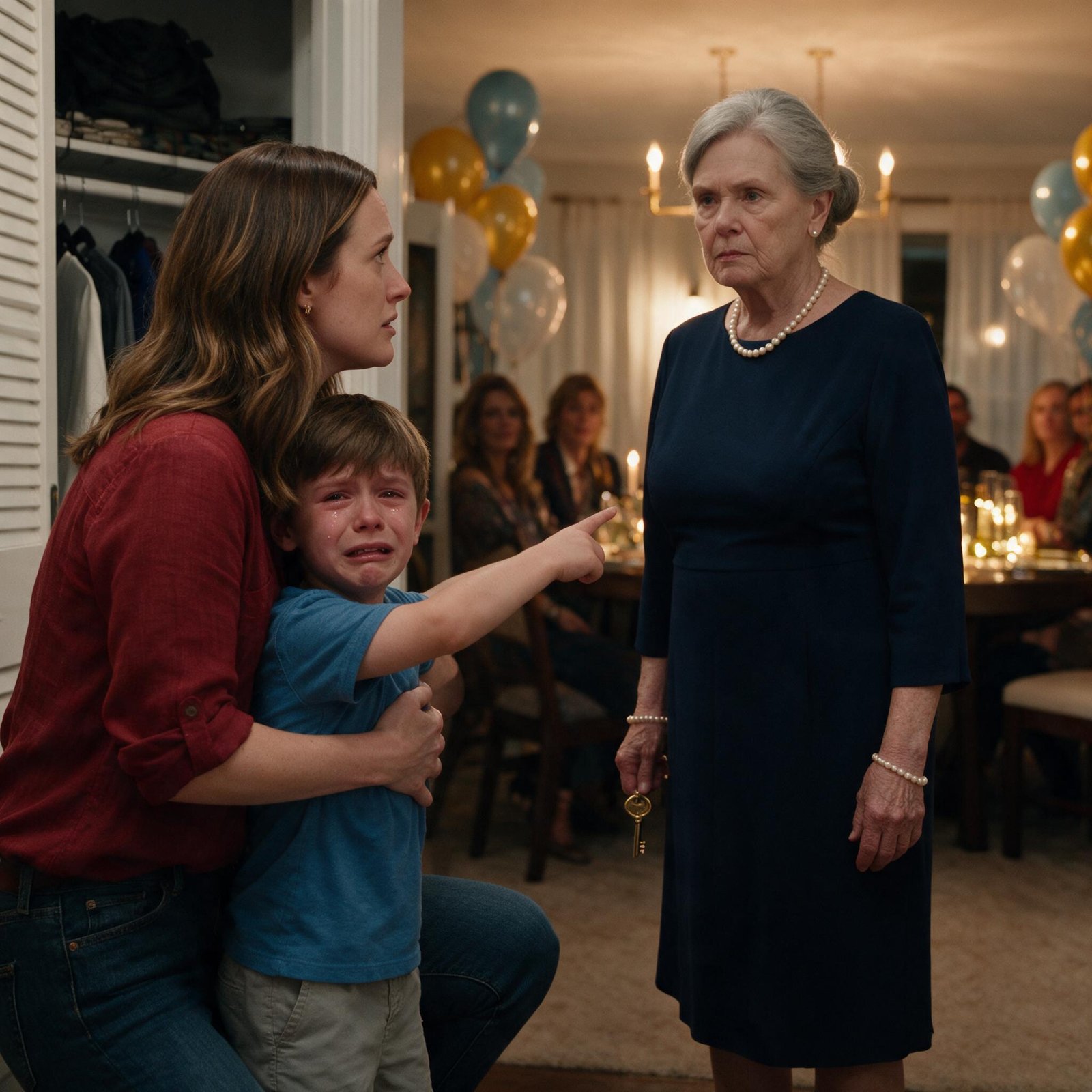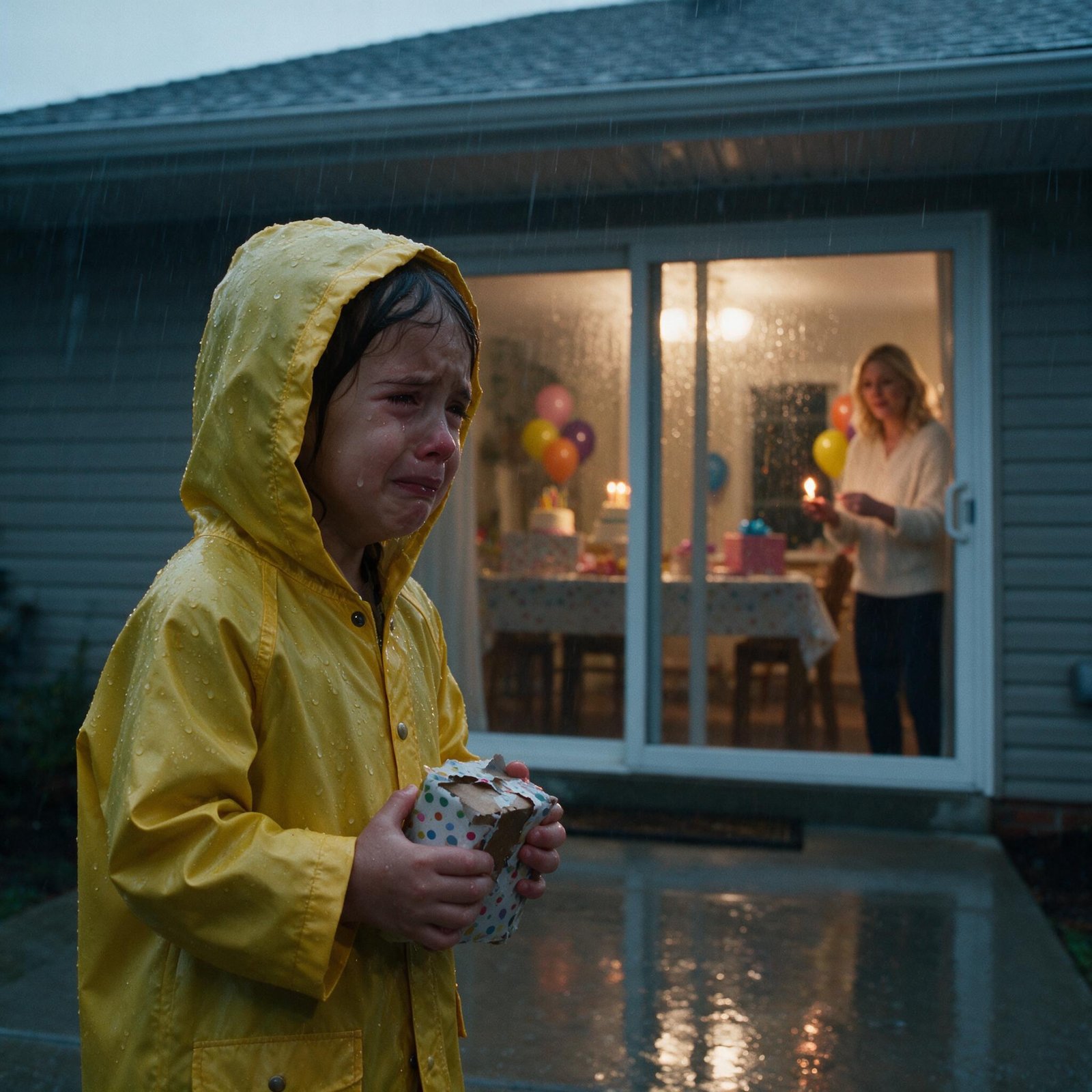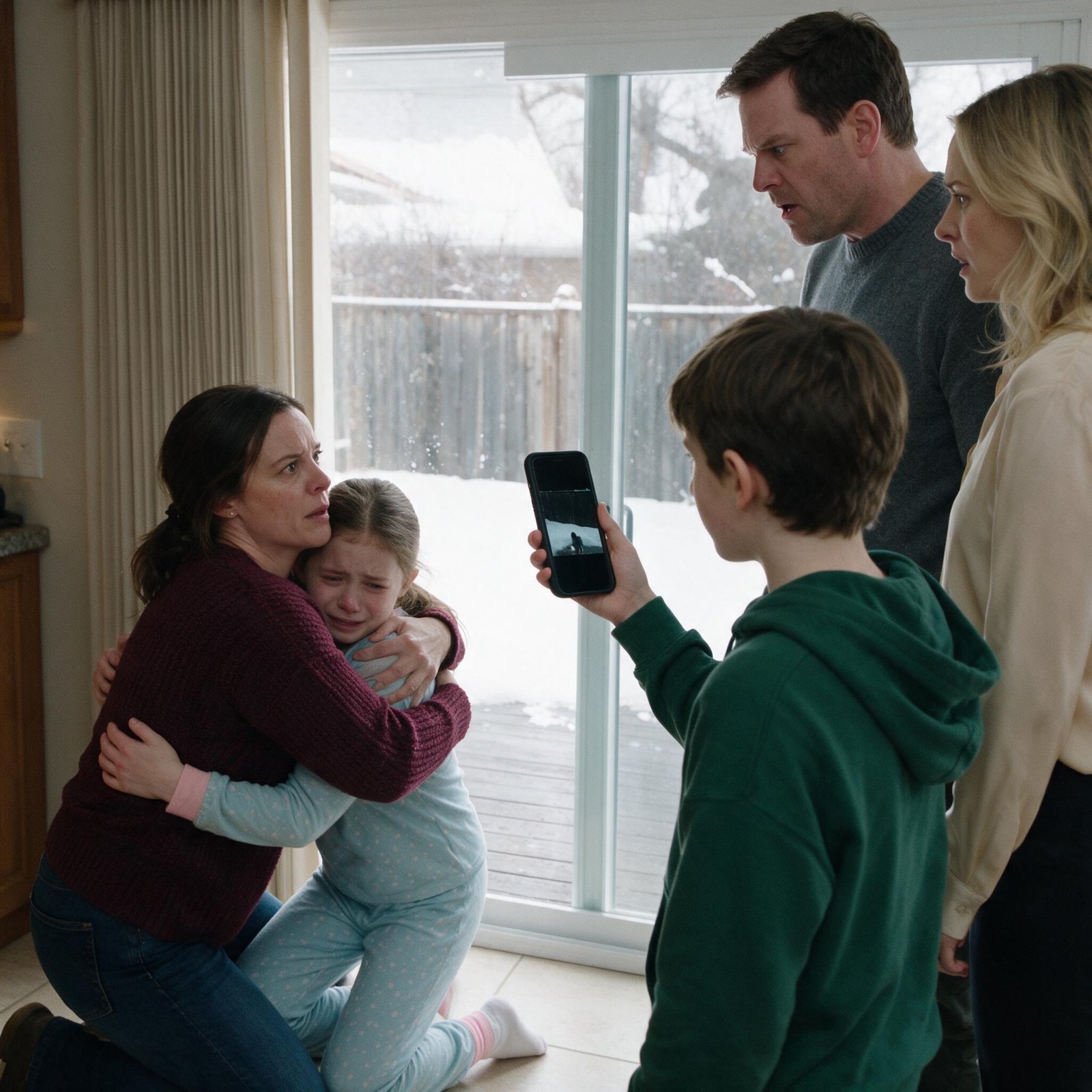
The Parent Who Chose Not to Know

The emergency family-court hearing took place three days after the hospital visit.
It considered Emma's request for temporary parenting restrictions and a protective order preventing Vanessa from contacting Lily while the child-safety agency continued its separate assessment.
Lily did not enter the hearing room.
She remained with Emma's sister across town, where no adult asked her to perform fear for a decision-maker.
The court received the medical record, the caseworker's safety assessment, Daniel's admissions, photographs of the kitchen, and the trained interviewer's report.
The decision turned on what the adults admitted doing after a child spoke plainly.
Vanessa's attorney called the six incidents a disciplinary misunderstanding.
Vanessa called them structure.
She said Lily had arrived for the school break demanding snacks whenever she felt bored.
She said children learned security from predictable schedules.
The judge asked why a missed schedule required a steel pet bowl.
Vanessa said the bowl represented the difference between a genuine need and attention-seeking.
The judge asked why Lily's meal had to be removed.
Vanessa said consequences were meaningless if children lost nothing.
The judge asked why Lily had been required to deny her own hunger.
Vanessa said children needed to learn that feelings were not always facts.
Her answers revealed no elaborate conspiracy.
They revealed an adult using polished language to make control sound educational.
Vanessa admitted placing kibble before Lily on every day of the six-day visit.
She admitted withholding the meal Lily otherwise would have eaten.
She admitted telling Lily that Daniel trusted his wife and would recognize another lie.
She continued to deny forcing Lily to swallow anything.
The judge said that final disputed detail did not need to be resolved before protecting a child from the conduct Vanessa had already admitted.
Daniel's attorney asked only a few questions before Daniel requested permission to speak directly.
Daniel first said he had believed Vanessa on Tuesday.
Then he corrected himself.
“I chose to believe her.”
He had heard Lily's disclosure.
He had seen her fear when Vanessa entered the room.
He had treated Vanessa's calm voice as credibility and Lily's crying as manipulation.
He had forced his daughter to apologize because accepting the adult denial allowed his household to continue without disruption.
On the sixth day, he had entered the kitchen and again responded first to conflict between the women.
He restrained Emma before checking whether Lily was safe.
Only after Lily said the ritual happened every day did he turn toward Vanessa.
Daniel admitted drawing back his fist in rage before Emma stopped him.
His attorney suggested that the absence of a strike showed restraint.
The child advocate said nearly hitting an adult did not protect the child Daniel had refused to believe.
The judge agreed.
Late anger did not erase five earlier choices.
A father did not earn credit for discovering his conscience only after another adult arrived to witness the scene.
Daniel did not ask to be called protective.
He said the worst fact was not that Vanessa had deceived him.
The worst fact was that Lily had told him enough to act and he had ordered her to apologize instead.
The judge issued a temporary parenting order and a temporary protective order.
The parenting order kept Lily in Emma's care while the assessment continued.
The protective order barred Vanessa from contacting Lily, sending messages through Daniel, appearing at exchanges, or participating in Daniel's parenting time.
Daniel's contact could begin only in a professionally supervised setting after the court reviewed recommendations from Lily's clinician and advocate.
Completing classes would not automatically expand that contact.
Any later change would depend on Lily's safety and Daniel's demonstrated ability to hear her without demanding that she protect him from shame.
The orders barred Daniel, Vanessa, and anyone acting for them from questioning Lily about the case outside sessions conducted by authorized professionals.
They also barred any request that Lily forgive someone.
Daniel asked whether he could send an apology.
The advocate said an apology could become another task placed in Lily's hands if she was expected to receive it, answer it, or make him feel better.
For the moment, Daniel could write whatever he needed to write and keep it with his therapist.
Vanessa objected that the order rewarded a child for making accusations.
The judge told her that safety was not a reward.
The hearing produced no arrest, final parenting judgment, or declaration that the family had been repaired.
Before it ended, the child advocate asked permission to read one question while the judge and all three adults were still present.
That morning, in a separate preparation conversation, the advocate had explained that a professional would remain in the room during any supervised contact and that Lily could ask to end a session.
Lily considered that answer before asking a second question.
The advocate read it exactly as Lily had spoken it.
“If I tell Dad now, who does he believe first—”
Part 4 of 5 · She Said You Wouldn't Believe Me